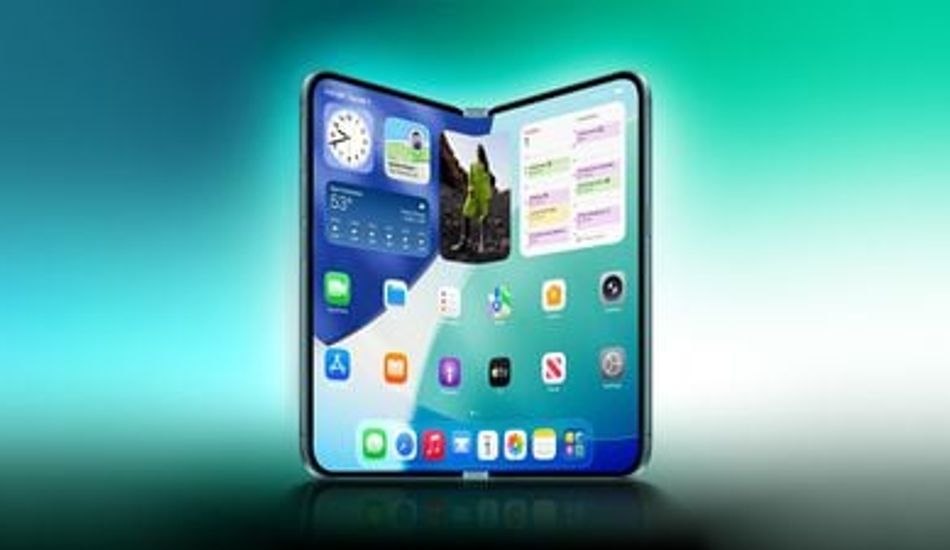
iPhone Fold May Ditch Physical SIM: A Bold Move or a Risky Gamble?
I've been following the rumors about Apple's foldable iPhone, and the latest buzz is pretty interesting: it might ditch the physical SIM card altogether and go exclusively with eSIM technology. This comes from a reliable source on Weibo, so it's worth paying attention to.
Now, if you're like me, you might be wondering why Apple would do this. Well, it all comes down to space. Apparently, the foldable iPhone, expected sometime in late 2026 or early 2027, will be incredibly thin. Think of it as two titanium iPhone Airs stuck together, as Mark Gurman from Bloomberg put it. With such limited internal space, something's gotta give, and it looks like the SIM card slot is the first to go.
However, there's a potential snag. In mainland China, people still prefer physical SIM cards and dual-SIM slots. They like the ease of swapping SIMs, especially with the active resale market there. An eSIM-only foldable iPhone would rely heavily on carriers to provide seamless provisioning, and that might not be a smooth process. It's a big risk, especially considering that the eSIM-only iPad Air hasn't exactly been a massive success, partly due to these same limitations.
Apple knows this, of course. They've worked with China Mobile, China Telecom, and China Unicom to support the eSIM-only iPad Air. But even with that support, you still need to visit a store to activate it. That's not exactly convenient, is it?
Still, the foldable iPhone is rumored to have some impressive tech, including a 24-megapixel under-display camera and a crease-free inner panel. These features might be enough to win people over, even if they have to deal with the eSIM situation. And let's not forget the price tag: rumors say it could cost between $2,000 and $2,500 in the US. That's a lot of money, so Apple needs to make sure this device is worth every penny.
In the end, it all comes down to whether Apple can convince consumers that the benefits of a super-thin, foldable iPhone outweigh the inconvenience of an eSIM-only design, especially in markets where eSIM adoption is still lagging.
Source: Mac Rumors