Google's Android Changes: Sideloading Isn't Fully Saved, But It's a Start
So, Google and Epic Games finally settled their long-running dispute, which, if approved, will bring some significant changes to Android. These changes aim to make the Android app ecosystem more competitive, which should ultimately benefit us users. However, if you were hoping for a complete sideloading revolution, you might be a tad disappointed.
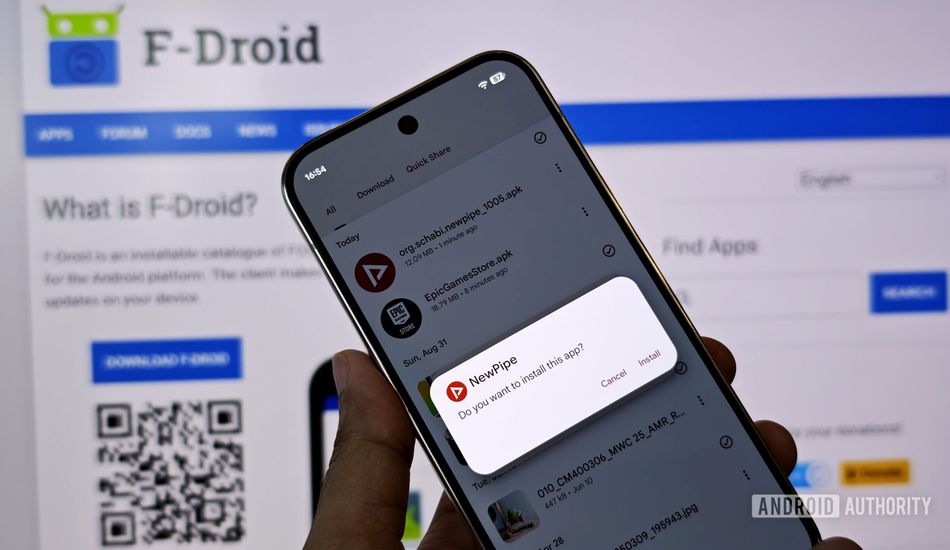
The core of the agreement revolves around "Registered App Stores." Essentially, these are third-party app stores that Google has given the thumbs up to. To become "Registered," these stores will likely need to meet certain requirements and pay a fee. Once certified, installing them should become much easier, almost as seamless as installing from the Google Play Store. No more scary warnings or complicated steps, which is definitely a win.
One of the key changes will be the ability for these registered stores to install apps with fewer hoops for the user to jump through. It's not entirely clear yet if they'll get the same powerful permissions as the Play Store, but it's a step in the right direction. The goal is to eliminate the friction that has long made using alternative app stores a pain. I believe this will encourage users to explore beyond the Play Store, and developers will follow where the users are.
Moreover, Google can't prevent phone manufacturers or carriers from pre-installing these third-party stores or putting them on the home screen. Plus, they're agreeing to stop sharing Play Store revenue with anyone who might want to compete. Google is committing to permit third-party app stores to operate on Android free of charge through June 30, 2032.
Speaking of competition, Google is also loosening its grip on in-app payments. Instead of forcing everyone to use Google Play Billing, developers will be able to offer alternative payment options. Google will still take a cut, but it could mean lower prices and more choices for us.
The Caveats
Now, while all this sounds great, it's not a complete victory for sideloading. Google's developer verification requirements are still on the horizon, which some fear could hurt smaller app stores like F-Droid. But, overall, I think these changes are a positive step towards a more open and competitive Android ecosystem. It won't happen overnight, but it's a move in the right direction. It's about more options, possibly exclusive content on different stores, and maybe even a bit of price competition.
Source: AndroidAuthority