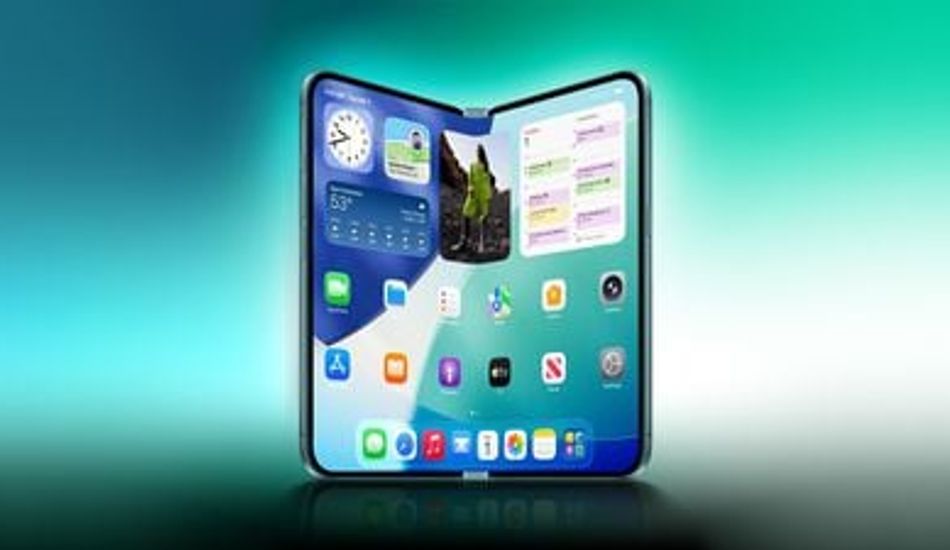
Apple's Foldable iPhone: Release Date, Design, and Price
For years, rumors have swirled about a foldable iPhone, and it seems like 2026 might finally be the year it arrives. Multiple sources suggest Apple is gearing up to launch its first foldable device, potentially revolutionizing the smartphone market. I've been following these rumors closely, and it's exciting to see how the pieces are coming together.
Reportedly dubbed the "iPhone Fold," Apple's foldable is expected to resemble Samsung's Galaxy Z Fold, employing a book-style folding mechanism. This design choice allows for a larger, more immersive display when unfolded. When folded, I can imagine it feels like a standard iPhone, offering familiarity for existing users.
Think about the convenience of a regular-sized phone that can transform into a mini-tablet. When folded, users would interact with a 5.5-inch outer display and when unfolded, it reveals a larger 7.8-inch screen. I believe this approach could appeal to both smartphone and tablet users.
Display and Durability
One of the biggest concerns with foldable phones has been the dreaded crease. It seems Apple is tackling this issue head-on. Rumors suggest the inner display will be virtually "crease-free," thanks to innovative engineering and materials.
The use of liquid metal in the hinges is another promising development. This material is known for its durability and ability to withstand stress, which is crucial for a device that's constantly being folded and unfolded. If these rumors are true, Apple could set a new standard for foldable display quality.
Moreover, the device is said to boast a titanium chassis and a hinge constructed from a combination of titanium and stainless steel. This should ensure that the foldable iPhone is tough enough to withstand daily use. Apple is clearly prioritizing durability, which is essential for a device in this price range.
Camera and Authentication
Regarding the camera, the foldable iPhone is expected to feature a dual-lens rear setup, along with front-facing cameras for both folded and unfolded modes. Some reports even suggest a high-resolution 48-megapixel sensor for the rear cameras.
Interestingly, there's talk of Apple ditching Face ID in favor of a Touch ID side button. This could be a strategic move to save space and streamline the design. I feel the Touch ID is a more practical solution for a foldable device, especially when considering the various ways users might hold and interact with it.
Connectivity and Battery
The foldable iPhone is expected to use Apple's second-generation C2 modem for cellular connectivity and high-density battery cells. In terms of battery life, Apple is reportedly working on improving power efficiency to accommodate a larger battery. So, I would expect the C2 modem to be faster overall, and for it to gain mmWave support in the United States.
Pricing and Launch
Now, let's talk about the price. The foldable iPhone could be the most expensive iPhone ever, potentially ranging from $2,000 to $2,500. This puts it firmly in the premium segment, targeting early adopters and Apple enthusiasts.
As for the launch date, current expectations point to the second half of 2026. Although, a delay to 2027 is still possible, as Apple finalizes key design elements. I'm eagerly awaiting the official announcement, but I think we'll have to be patient for a while longer.
Source: Mac Rumors